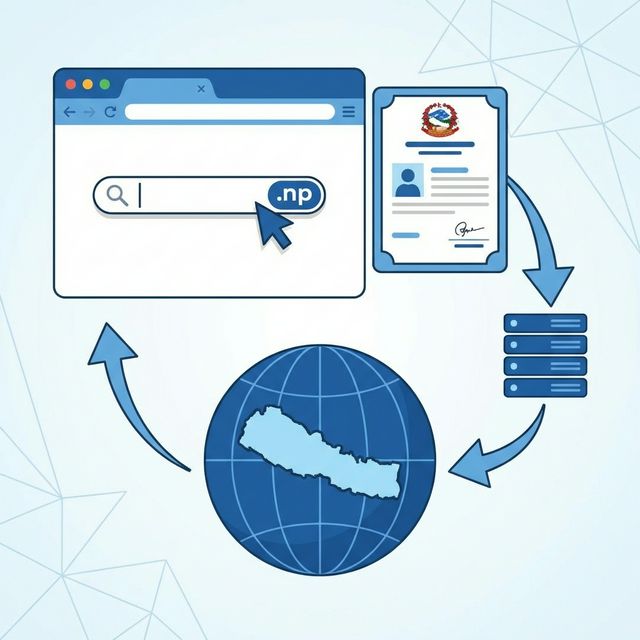
Introduction to Nepal's Tech Scene
When people think of Nepal, they often picture snow-capped Himalayan peaks, ancient temples, and trekking adventures. But beneath these timeless landscapes, a quiet revolution is taking place—a digital transformation that is reshaping how Nepalis live, work, and connect with the world.
Over the past decade, Nepal has witnessed unprecedented growth in its technology sector. From bustling IT parks in Kathmandu to young entrepreneurs building apps in their homes, the country is proving that geography is no barrier to innovation. The COVID-19 pandemic, while challenging, accelerated digital adoption across all sectors, from education to healthcare, banking to government services.
Today, Nepal's tech industry contributes significantly to the national economy, providing employment to thousands of skilled professionals and generating substantial foreign exchange through IT outsourcing services. But this is just the beginning. With a young, tech-savvy population and increasing internet penetration, the potential for growth is immense.
"Nepal is no longer just a receiver of technology—we are becoming creators, innovators, and exporters of digital solutions." — A local tech entrepreneur
Major IT Companies in Nepal
The backbone of Nepal's tech sector consists of established IT companies that have been operating for years, delivering services both locally and internationally. These companies range from software development firms to BPO service providers, each contributing to the growing reputation of Nepali tech talent.
Software Development Companies
Companies like Deerwalk, Leapfrog Technology, and Cotiviti Nepal have become household names in the industry. They primarily serve international clients, developing software solutions for healthcare, finance, and education sectors. Deerwalk, for instance, specializes in healthcare analytics and has grown to employ hundreds of developers working on cutting-edge data solutions.
Leapfrog Technology has carved a niche in custom software development, working with clients from the United States and Europe. Their focus on agile development and quality has earned them a reputation as one of the most reliable tech partners from Nepal.
IT Service Providers
Beyond software development, Nepal hosts numerous IT service providers offering web development, mobile app development, digital marketing, and cloud solutions. Companies like Fusemachines and CloudFactory have pioneered AI and machine learning services, training local talent to work on global AI projects.
CloudFactory, in particular, has created thousands of jobs by providing data annotation and labeling services for AI companies worldwide. Their model of combining technology with social impact has made them a case study in ethical tech employment.
Digital Agencies
The creative tech sector has also flourished, with agencies like Jetweb Solutions, WebSoft, and Pagevamp offering web design, branding, and digital transformation services. These agencies serve local businesses transitioning to digital platforms, helping traditional Nepali companies establish their online presence.
The Startup Ecosystem
Perhaps the most exciting development in Nepal's tech scene is the emergence of a vibrant startup ecosystem. Young entrepreneurs are no longer content with traditional career paths—they're building companies that solve local problems with global potential.
Success Stories
Several Nepali startups have achieved remarkable success. Tootle, a ride-sharing app, revolutionized urban transportation in Kathmandu by connecting motorcycle riders with passengers. Before its merge with Pathao, Tootle had become synonymous with smart commuting in the congested streets of the capital.
Khalti and eSewa have transformed how Nepalis handle money, making digital payments accessible to millions. From paying electricity bills to buying movie tickets, these platforms have made cashless transactions a reality even in remote areas.
Daraz, though now part of Alibaba Group, started as a Nepali e-commerce platform and demonstrated that online shopping could thrive in Nepal. Today, it remains the dominant e-commerce player, handling millions of transactions annually.
Incubators and Accelerators
Supporting these startups is a growing network of incubators and accelerators. Organizations like Entrepreneur's Lab, King's College Innovation Center, and Nepal Tech Conference have created spaces for entrepreneurs to develop ideas, access mentorship, and connect with investors.
The government has also taken notice, with initiatives like the IT Park in Banepa providing subsidized infrastructure for tech companies. While challenges remain in terms of funding and regulatory support, the foundation for a thriving startup ecosystem is firmly in place.
Digital Infrastructure
No tech revolution can happen without robust infrastructure, and Nepal has made significant strides in this area over the past few years.
Internet Connectivity
Internet penetration in Nepal has reached remarkable levels, with over 70% of the population now having access to the internet. The expansion of 4G networks by Nepal Telecom (NTC) and Ncell has brought high-speed connectivity to urban and semi-urban areas, while ongoing efforts aim to extend coverage to remote mountain regions.
The introduction of fiber optic networks has dramatically improved connection speeds and reliability. Companies like WorldLink, Vianet, and Subisu have invested heavily in last-mile connectivity, bringing fiber internet directly to homes and offices.
Mobile Revolution
Nepal is predominantly a mobile-first nation. With smartphones becoming increasingly affordable, mobile internet usage has skyrocketed. This has profound implications for how services are delivered—from mobile banking to e-learning, everything is being designed with mobile users in mind.
The average Nepali spends several hours daily on their smartphone, with social media platforms like Facebook, TikTok, and YouTube being the primary destinations. This mobile-first behavior has shaped how businesses market their products and how startups design their applications.
Data Centers and Cloud
While Nepal still relies heavily on international cloud providers, local data centers are emerging. These facilities are crucial for businesses that need to store data locally, particularly in sectors like banking and government where data sovereignty is important.
Tech Education and Skills
The foundation of any tech ecosystem is talent, and Nepal has invested significantly in developing technical skills among its youth.
Universities and Colleges
Tribhuvan University, Kathmandu University, and Pokhara University offer computer science and engineering programs that produce thousands of graduates annually. While the curriculum sometimes lags behind industry needs, many institutions are adapting by incorporating practical projects and industry partnerships.
Private colleges affiliated with international universities have also expanded options for students seeking globally recognized qualifications. Many of these institutions maintain strong connections with the IT industry, facilitating internships and job placements.
Bootcamps and Alternative Education
Recognizing that traditional education alone cannot meet industry demands, coding bootcamps and training institutes have proliferated. Organizations like Broadway Infosys, Deerwalk Training, and various online platforms offer intensive programs in web development, mobile app development, data science, and cybersecurity.
These programs often focus on practical skills that employers need, bridging the gap between academic learning and professional requirements. Many successful developers in Nepal's tech industry are graduates of these alternative education paths.
Community Learning
The tech community in Nepal is remarkably collaborative. Meetups, workshops, and conferences happen regularly, allowing professionals to learn from each other and stay updated on latest trends. Groups like Python Nepal, JavaScript Nepal, and various WordPress communities organize events that attract hundreds of participants.
Challenges and Opportunities
Despite the progress, Nepal's tech sector faces significant challenges that need addressing for sustainable growth.
Brain Drain
Perhaps the biggest challenge is the emigration of skilled professionals. Many talented developers and engineers leave for opportunities abroad, particularly in Australia, the United States, Canada, and Gulf countries. This brain drain deprives the local industry of experienced talent and limits knowledge transfer to younger professionals.
However, recent trends show some reversal, with diaspora professionals returning to start businesses or work remotely for international companies while living in Nepal. The rise of remote work has made staying in Nepal while earning foreign salaries increasingly viable.
Funding Gap
Access to capital remains a significant barrier for startups. While some venture capital and angel investment exists, it's far from sufficient for the number of promising ventures seeking funding. Most successful Nepali startups have had to rely on international investors or bootstrap their growth.
Regulatory Environment
Government policies around technology businesses are still evolving. While there have been positive developments, such as the Digital Nepal Framework, bureaucratic hurdles and unclear regulations around foreign investment, fintech, and cross-border payments create uncertainty for businesses.
Power and Infrastructure
Although load-shedding (scheduled power cuts) is largely a thing of the past, power reliability and internet stability in some areas still pose challenges. Businesses invest in backup power and redundant internet connections, adding to operational costs.
The Future of Tech in Nepal
Looking ahead, the future of technology in Nepal appears bright, with several trends pointing towards continued growth and innovation.
Emerging Technologies
Nepali companies and developers are already working with emerging technologies. AI and machine learning projects are growing, with companies providing training data services and developing AI applications for local markets. Blockchain startups are exploring applications in remittance (a major component of Nepal's economy) and supply chain management.
Government Digitization
The government's push towards digital services is creating opportunities for tech companies. From online tax filing to digital citizenship, the digitization of government services promises efficiency gains and opens markets for technology solutions.
Remote Work Revolution
The normalization of remote work has positioned Nepal's tech talent to compete globally. Developers can now work for international companies without leaving their homes, earning competitive salaries while contributing to the local economy. This trend could help reverse brain drain and build a strong, experienced workforce.
Green Technology
With Nepal's abundance of renewable energy, particularly hydropower, there's potential to position the country as a destination for green data centers and environmentally conscious tech operations. This alignment with global sustainability trends could attract investment and differentiate Nepal in the global tech landscape.
The journey of technology in Nepal is still in its early chapters. Challenges remain, but the combination of a young population, growing infrastructure, and entrepreneurial spirit creates a foundation for transformation. For those watching or participating in this evolution, it's an exciting time to be part of Nepal's digital story.